

Open Cell Spray Foam Insulation in Hawthorne, CA
Energy-Saving Open Cell Spray Foam Insulation for Hawthorne, CA Homes — Licensed & Insured
Need open cell spray foam insulation in Hawthorne, CA? Hawthorne Insulation Pros delivers expert installation for homes & businesses. Call (424) 449-0089 for a free estimate.
Open cell spray foam insulation is a flexible, lightweight insulating material created when two chemical components react and expand to fill cavities, gaps, and voids with a soft, sponge-like foam. Unlike its denser counterpart, open cell spray foam allows microscopic air pockets to remain interconnected, producing an R-value of approximately 3.5 to 3.7 per inch while delivering outstanding sound dampening and air sealing performance.
In Hawthorne, CA, where the marine layer from the Pacific Ocean rolls in regularly and temperatures swing between coastal cool mornings and warm inland afternoons, managing moisture infiltration and maintaining consistent interior comfort is a year-round challenge. Homes and commercial buildings throughout Hawthorne deal with unique microclimatic pressures that make generic insulation solutions inadequate.
Read moreShow less
At Hawthorne Insulation Pros, our technicians understand the specific construction styles, coastal humidity patterns, and building code requirements that define the Hawthorne market. From bungalows near the Yukon Avenue corridor to modern mixed-use developments along Hawthorne Boulevard, we deliver precision open cell spray foam installations tailored to every structure. Call us today at (424) 449-0089.

Understanding Open Cell Spray Foam Insulation in Hawthorne
Open cell spray foam insulation belongs to a class of two-component polyurethane systems first commercialized for residential and commercial construction in the 1980s. When isocyanate and polyol resin are combined at the spray nozzle, a rapid chemical reaction causes the mixture to expand up to 100 times its original liquid volume within seconds. The resulting foam cures into a breathable, semi-rigid matrix that conforms perfectly to irregular framing, electrical conduits, and plumbing penetrations.
The “open cell” designation refers to the fact that the tiny bubbles formed during expansion break open, creating an interconnected network of air-filled pockets. This structure gives open cell foam its characteristic softness and flexibility, making it particularly effective at absorbing sound waves — a significant advantage in a city like Hawthorne where aircraft noise from nearby Los Angeles International Airport (LAX), located just 2.5 miles northwest of central Hawthorne, is a daily reality for residents.
Read moreShow less
Compared to closed cell spray foam, open cell foam is vapor-permeable, meaning moisture vapor can pass through it slowly. In Southern California’s climate zone 8, which covers Hawthorne and surrounding communities, building scientists often recommend open cell foam in interior wall and attic applications where vapor management — rather than a complete vapor barrier — is the appropriate strategy. Allowing walls to dry inward prevents moisture from becoming trapped and causing mold or wood rot.
Hawthorne’s housing inventory spans a wide range of construction eras. Many neighborhoods feature post-World War II tract homes built between 1945 and 1965, structures that were constructed with minimal wall insulation — often just fiberglass batts rated at R-11 or completely empty stud bays. Mid-century commercial buildings along Prairie Avenue and Crenshaw Boulevard frequently have uninsulated roof decks and hollow block walls. Open cell spray foam can be retrofitted into these older structures with minimal demolition, making it the preferred insulation upgrade for Hawthorne’s aging building stock.
Modern multi-family residential developments and the mixed-use corridors being developed as part of Hawthorne’s revitalization plans also benefit from open cell foam’s superior acoustic performance, helping developers meet California’s increasingly stringent interior noise standards without adding significant wall thickness.
Why Open Cell Spray Foam Insulation Is Needed in Hawthorne, CA
The Marine Layer and Coastal Humidity
Hawthorne sits approximately 4.5 miles from the Pacific Ocean coastline, placing it squarely within the influence of the Southern California marine layer. This dense, low-level fog rolls in from the ocean most heavily between May and September — a local phenomenon residents call “June Gloom” — and can persist until midday or later. Relative humidity in Hawthorne regularly reaches 85 to 95 percent during early morning marine layer events. When poorly insulated exterior walls experience repeated cycles of moisture absorption and drying, wood framing degrades, paint fails, and energy bills spike. Open cell spray foam creates a continuous air barrier that limits the amount of humid marine air infiltrating wall and attic cavities, protecting structural integrity and maintaining drier interior conditions.
LAX Aircraft Noise — A Named, Measurable Challenge
Los Angeles International Airport processes over 88 million passengers annually and operates flight paths that direct aircraft directly over central Hawthorne neighborhoods including Bodger Park, the Hollyglen district, and the area surrounding El Camino College Drive. The FAA’s 65 dB Day-Night Average Sound Level (DNL) contour — the federal threshold defining noise-impacted communities — encompasses significant residential portions of Hawthorne. Open cell spray foam, when applied at a minimum of 3.5 inches in exterior walls and 5.5 inches in attic assemblies, measurably reduces interior noise transmission, helping homes achieve the Sound Transmission Class (STC) ratings required under the FAA’s Airport Improvement Program noise mitigation standards.
Seismic Activity and Air Infiltration
Hawthorne sits within a seismically active region of Southern California, situated near the Inglewood Fault Zone. The 1994 Northridge Earthquake (magnitude 6.7) caused widespread damage throughout the South Bay, including Hawthorne, where structural movement created gaps and cracks in wall assemblies that allowed dramatic increases in air infiltration. Homes that experienced even minor settling or framing movement — common in the post-War slab-on-grade construction prevalent in Hawthorne’s Ramona neighborhood and near the Prairie Avenue commercial corridor — often have never had those air gaps professionally addressed. Open cell spray foam, with its ability to expand into irregular voids and remain flexible as structures continue minor seasonal movement, is particularly effective at sealing these seismic-induced infiltration pathways.
Urban Heat Island Effect
Hawthorne’s urban core, characterized by extensive paved surfaces along Hawthorne Boulevard and the industrial zones near Jack Northrop Avenue, contributes to a local heat island effect that can raise ambient temperatures 4 to 8 degrees Fahrenheit above surrounding undeveloped areas. This increased thermal load places greater demand on air conditioning systems and makes inadequate insulation in attic and wall assemblies especially costly. Properly installed open cell spray foam reduces thermal bridging through framing members and closes air gaps that allow superheated attic air to migrate into living spaces.
Free, no-obligation estimates
Talk to Hawthorne Insulation Pros
Tell us what you need and we’ll take it from there.
Signs You Need Open Cell Spray Foam Insulation in Hawthorne
Energy Performance Indicators
- Monthly electricity bills exceeding $180 to $250 for a standard 1,200 to 1,500 square foot Hawthorne home during summer cooling season
- HVAC system running continuously during afternoon hours (typically 2 PM to 6 PM) without reaching the set thermostat temperature
- Noticeable temperature differences of 5 degrees or more between rooms on the same floor
Moisture and Air Quality Indicators
- Musty odors in the morning, particularly during May through August marine layer season
- Condensation forming on interior window frames or wall surfaces during cool, humid mornings
- Visible mold or mildew growth in corners of exterior walls, in closets adjacent to exterior walls, or in attic spaces
- Allergy symptoms worsening indoors, potentially indicating unfiltered outdoor air infiltration through unsealed gaps
Structural and Acoustic Indicators
- Clearly audible aircraft noise from LAX flight paths inside the home with windows closed
- Drafts perceptible near electrical outlets on exterior walls, around recessed lighting fixtures, or along the top plates of interior walls
- Visible daylight or gaps discoverable during an attic inspection around roof penetrations, vents, or at the eaves
Urgency Indicators
If your Hawthorne home was built before 1978 and has never received an insulation upgrade, immediate assessment is warranted. Homes in this category frequently have R-0 to R-11 insulation levels — far below California’s current Title 24 energy code requirements of R-38 in attics and R-13 in walls for Climate Zone 8.
Our process
Our Open Cell Spray Foam Insulation Process in Hawthorne
- 01
On-Site Assessment and Energy Audit (1–2 Hours)
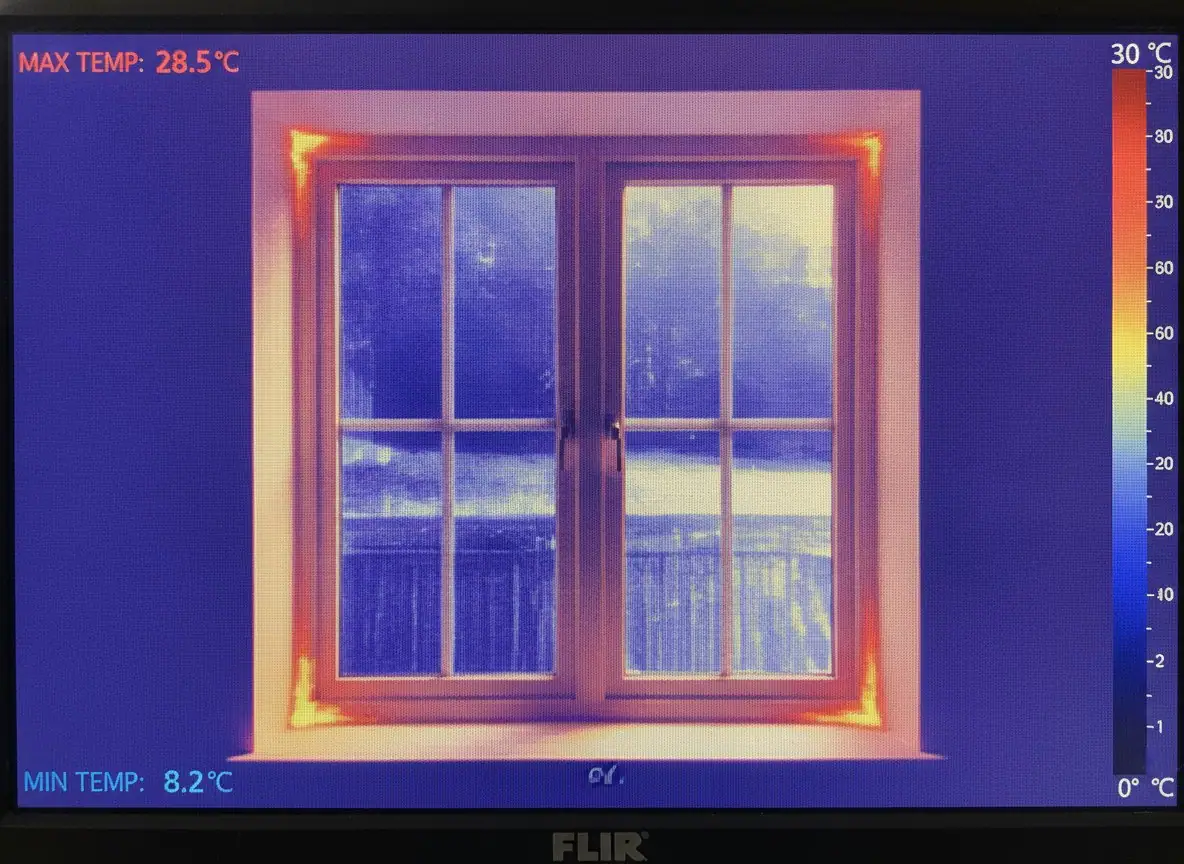
Our technician visits your Hawthorne property to conduct a thorough inspection of the existing insulation condition, framing system, attic access points, and crawl space (where applicable). We use a thermal imaging camera to identify heat loss patterns and air
- 02
Detailed Written Estimate and Material Selection (Same Day or Next Business Day)
Based on our assessment findings, we provide a written estimate specifying foam thickness targets, estimated R-values, and material quantities. For Hawthorne homes near the LAX noise contour, we specifically recommend open cell foam depths that maximize STC pe
- 03
Site Preparation and Protection (1–2 Hours on Installation Day)
Before any foam is sprayed, our crew masks and covers all surfaces, fixtures, electrical panels, HVAC equipment, and personal belongings in the work area. In Hawthorne’s marine layer climate, we verify that surface temperatures are within the acceptable applic
- 04
Spray Foam Application (2–6 Hours Depending on Scope)
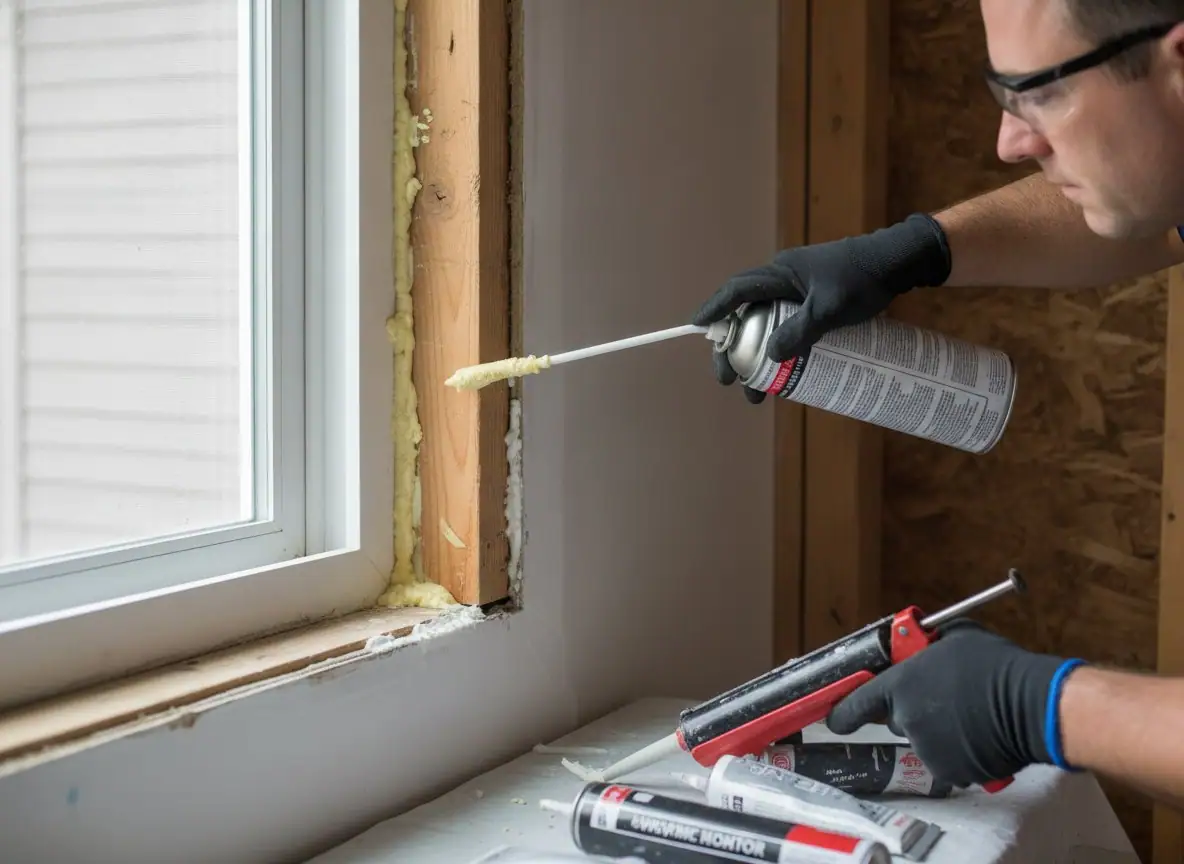
Trained technicians wearing full personal protective equipment apply open cell foam in controlled passes, building up to the specified depth. In attic applications, we typically apply foam to the underside of the roof deck (hot roof configuration) or to the at
- 05
Cure Time and Ventilation (2–4 Hours)
Open cell foam reaches initial cure within minutes but requires full off-gassing time before occupants re-enter. We advise a minimum 24-hour re-entry period for enclosed spaces per California OSHA guidelines, though most applications allow re-entry in 2 to 4 h
- 06
Trim, Inspection, and Quality Control (1 Hour)
Excess foam is trimmed flush with framing to meet California fire code requirements, and a final thermal scan is performed to confirm complete coverage without voids or cold spots.
- 07
Cleanup and Final Walkthrough (30–45 Minutes)
Our team removes all protective coverings, disposes of waste materials, and walks you through the completed installation, explaining maintenance protocols specific to Hawthorne’s coastal climate.
Open Cell Spray Foam Methods and Approaches Used in Hawthorne
Open Cell Foam — Attic Roof Deck Application (Hot Roof)
Applied directly to the underside of the roof sheathing, this method converts the attic into a semi-conditioned space. It is particularly effective in Hawthorne homes where HVAC ducts run through the attic, eliminating the dramatic energy losses that occur when ducts operate in 140°F+ unconditioned attic air during summer afternoons. We apply open cell foam at 5.5 to 6 inches for a nominal R-20, meeting California Title 24 duct insulation relief provisions.
Open Cell Foam — Attic Floor Application
Where HVAC equipment is located in conditioned living space or a garage, we apply open cell foam to the attic floor between and over joists, achieving R-38 per California energy code. This method is commonly used in Hawthorne’s post-War wood-frame homes with conventional vented attic configurations.
Open Cell Foam — Exterior Wall Cavities (New Construction and Gut Renovations)
In wall cavities exposed during renovation or new construction framing, open cell foam completely fills the stud bay — typically 3.5 inches in standard 2×4 framing — achieving R-13, which meets California’s minimum prescriptive wall insulation requirement for Climate Zone 8. This method simultaneously air-seals the wall assembly, which is particularly valuable for Hawthorne homes in high aircraft noise areas.
Open Cell Foam — Injection Foam for Existing Closed Walls
For finished walls that cannot be opened without major renovation, our technicians drill small access holes between studs, inject a specialized slow-rise open cell foam, and patch the holes. This method allows Hawthorne’s older homes to receive significant insulation and air sealing improvements with minimal interior disruption. Learn more about our blow-in insulation services
Hybrid Applications — Combining Spray Foam with Other Insulation Types
In some Hawthorne projects, we combine open cell spray foam air sealing at critical penetration points with blown-in attic insulation to achieve cost-effective R-value targets. This hybrid approach is common in budget-conscious renovation projects while still delivering dramatically improved air sealing performance. Explore all our spray foam insulation options
Open Cell Spray Foam Insulation Cost in Hawthorne, CA
Understanding the cost of open cell spray foam insulation in Hawthorne helps homeowners and building owners plan their projects accurately. Pricing is influenced by several location-specific and project-specific factors.
Typical Price Ranges for Hawthorne Projects
- Attic application (roof deck or floor), standard residential: $1.50 to $2.50 per board foot (one square foot at one inch thick). A 1,000 square foot attic treated at 5.5 inches typically costs $8,250 to $13,750.
- Exterior wall cavities (new construction or open walls): $1.25 to $2.00 per board foot. A 1,500 square foot home with full exterior wall application typically ranges $6,500 to $12,000.
- Injection foam for existing closed walls: $2.50 to $4.00 per square foot of wall area treated, due to additional labor for drilling and patching.
- Crawl space walls and rim joists: $1,800 to $4,500 depending on crawl space size and accessibility. View our crawl space insulation services
Read moreShow less
Factors Affecting Cost in Hawthorne
Existing insulation removal: Many Hawthorne homes require removal of deteriorated fiberglass batts before foam installation. Insulation removal adds $0.50 to $1.50 per square foot. Access difficulty: Older Hawthorne bungalows with low attic clearances under 30 inches require additional labor time. Los Angeles County permit requirements: Certain commercial projects and ADU conversions in Hawthorne require building permits that add $200 to $800 in fees. Material costs: Southern California’s supply chain dynamics and fuel surcharges for delivery to the Hawthorne service area can increase base material costs by 8 to 15 percent compared to national averages.
Available Incentives
Southern California Edison customers in Hawthorne may qualify for rebates of $0.10 to $0.15 per square foot on qualifying insulation upgrades through SCE’s Home Energy Efficiency Rebate Program. Contact us for current program details.
Hawthorne Neighborhoods We Serve
Hollyglen
This residential neighborhood in northwestern Hawthorne features a dense concentration of 1950s and early 1960s ranch-style homes situated directly beneath LAX’s primary flight approach corridors. Hollyglen homeowners deal with the dual challenge of aircraft noise intrusion and coastal moisture management. Open cell foam’s acoustic and air sealing properties make it the optimal insulation solution for this neighborhood’s era of single-story construction.
Bodger Park
Located in northeastern Hawthorne near the border with Lawndale, Bodger Park features a mix of mid-century single-family homes and small apartment buildings constructed primarily between 1955 and 1975. Many properties in this area have never received insulation upgrades since original construction and represent ideal candidates for open cell foam retrofits. Learn about insulation replacement options
Ramona / El Camino Village Adjacent
The neighborhoods along the southern boundary of Hawthorne near El Camino College include both residential and mixed-use properties. Slab-on-grade construction is common here, meaning attic and wall insulation performance is especially critical since there is no conditioned crawl space providing any thermal buffer below the living area.
Hawthorne Boulevard Corridor
The mixed-use commercial and residential properties along Hawthorne’s primary commercial artery face unique challenges including urban heat island intensification and street noise. Open cell foam is a preferred solution for the numerous older commercial buildings being converted to residential loft and apartment uses as part of Hawthorne’s ongoing urban revitalization efforts.
Maintenance Tips for Open Cell Spray Foam Insulation in Hawthorne
- Annual visual inspections: Each spring, before marine layer season begins, visually inspect accessible foam surfaces in the attic for any discoloration, sagging, or separation from framing members that might indicate moisture intrusion.
- Monitor attic humidity: Install a simple digital hygrometer in your attic. In Hawthorne’s climate, attic relative humidity above 60 percent persistently warrants investigation of ventilation adequacy.
- Protect foam from UV exposure: Open cell foam must be covered with a thermal barrier such as drywall in any occupied or accessed space. Inspect any spray foam in garage areas or accessible crawl spaces to confirm fire-rated coating remains intact.
- Seal roof penetrations promptly: After any roofing work, re-inspect attic foam for gaps created around new penetrations and have them resealed. Hawthorne’s periodic winter rain events (averaging 12 inches annually) can infiltrate through unsealed post-roofing penetrations.
- HVAC filter maintenance: Properly air-sealed homes with open cell foam require diligent HVAC filter changes — every 60 to 90 days — since the tighter building envelope means the filter is doing more of the air cleaning work.
- Check for pest intrusion: Open cell foam, while not a food source for pests, can be burrowed through by rodents seeking harborage — a documented issue in Hawthorne’s older neighborhoods. Inspect foam surfaces annually for signs of pest activity.
- Review utility bills quarterly: A sudden unexplained increase in energy consumption can indicate foam damage or settling that warrants professional inspection.
Why Choose Hawthorne Insulation Pros for Open Cell Spray Foam
Hawthorne Insulation Pros is a locally rooted insulation contractor with deep familiarity with the specific building stock, climate challenges, and code requirements of Hawthorne and the greater South Bay region. Our technicians are trained and certified in spray polyurethane foam (SPF) application by manufacturers who meet ASTM and ICC standards, and our work conforms to California’s Title 24 energy efficiency requirements and Los Angeles County Building Code provisions.
We carry full general liability insurance and workers’ compensation coverage, protecting every Hawthorne homeowner and building owner we serve. Unlike national franchise chains with rotating crews unfamiliar with South Bay construction conventions, our team works in Hawthorne every day — we know the permit process at Hawthorne City Hall, we understand the construction quirks of the neighborhood’s post-War housing stock, and we have established relationships with SCE rebate program administrators.
Read moreShow less
Our comprehensive service menu means we can address your entire insulation system in a single relationship: from removing deteriorated existing insulation to crawl space encapsulation to finished spray foam installation. Every project includes a detailed post-installation inspection and documentation package. Call (424) 449-0089 to speak with a local expert today.
FAQ
Frequently Asked Questions About Open Cell Spray Foam Insulation in Hawthorne
How much does open cell spray foam insulation cost in Hawthorne, CA?
In Hawthorne, open cell spray foam typically costs between $1.25 and $2.50 per board foot for standard attic and wall cavity applications, with whole-home projects generally ranging from $6,500 to $18,000 depending on square footage, access conditions, and whether existing insulation removal is required. Factors unique to Hawthorne — including older home construction with limited attic access, Los Angeles County permitting requirements, and Southern California material supply chain costs — mean local pricing runs approximately 10 to 20 percent above national average estimates you may find online.
How long does open cell spray foam installation take in a typical Hawthorne home?
For a standard 1,200 to 1,800 square foot single-family home in Hawthorne, the installation process — including prep, application, and cleanup — typically takes one full day (6 to 8 hours). Larger homes or projects involving both attic and full wall applications may require two days. Re-occupancy is generally possible within 24 hours of completed application for enclosed interior spaces.
Will open cell spray foam reduce the aircraft noise from LAX in my Hawthorne home?
Yes, significantly. Open cell spray foam is one of the most effective acoustic insulation materials available for residential retrofits. When applied at 3.5 inches in exterior walls (filling a standard 2×4 stud bay) and 5.5 inches in attic assemblies, open cell foam contributes substantially to achieving STC ratings in the 40 to 50 range, which can reduce perceived aircraft noise by 50 to 75 percent compared to uninsulated assemblies. Hawthorne’s Hollyglen and Bodger Park neighborhoods see particularly dramatic quality-of-life improvements from this application.
Is open cell or closed cell spray foam better for Hawthorne homes?
Both have appropriate applications in Hawthorne’s Climate Zone 8. Open cell foam is generally preferred for interior wall cavities, attic roof deck applications, and anywhere acoustic performance is a priority. Closed cell foam is typically recommended for below-grade applications, exterior surfaces exposed to weather, and locations requiring a complete vapor barrier. For many Hawthorne projects, a hybrid approach using open cell foam inside and closed cell foam at specific locations (rim joists, crawl space walls) delivers the optimal performance-to-cost ratio. Compare all our spray foam options
Does open cell spray foam require a permit in Hawthorne?
Most residential insulation-only projects in Hawthorne do not require a building permit. However, if spray foam is being applied as part of a broader renovation involving structural work, HVAC modifications, or ADU conversion, a permit from the Hawthorne Community Development Department is typically required. Commercial projects almost always require permits. We handle all permit documentation for projects that require it.
How does the marine layer humidity affect open cell spray foam in Hawthorne?
Open cell spray foam is vapor-permeable, meaning it will not trap moisture behind walls the way a perfectly sealed vapor barrier might — which is actually advantageous in Southern California’s mixed climate. The foam allows walls to dry to the interior while still dramatically reducing overall air infiltration that carries humid marine layer air into wall cavities. This characteristic makes open cell foam well-suited to Hawthorne’s coastal humidity patterns and is consistent with the vapor control strategies recommended by the California Energy Commission for Climate Zone 8.
Can open cell spray foam be added over existing insulation in my Hawthorne attic?
In some cases, yes — open cell foam can be sprayed over existing blown cellulose or fiberglass batts in attic floor applications, provided the existing insulation is dry, free of mold, and structurally intact. However, if existing insulation shows signs of moisture damage, pest contamination, or deterioration (common in Hawthorne homes built before 1980), complete removal is strongly recommended before foam application to ensure proper adhesion and prevent trapping contaminants.
Do you serve commercial buildings and apartment complexes in Hawthorne?
Yes. Hawthorne Insulation Pros serves residential, commercial, and multi-family properties throughout Hawthorne. We have experience insulating apartment complexes, retail buildings, warehouse spaces near Jack Northrop Avenue, and mixed-use developments along the Hawthorne Boulevard corridor. Commercial projects include compliance documentation for California Title 24 and Los Angeles County energy code requirements.
Get Your Free Open Cell Spray Foam Insulation Estimate in Hawthorne Today
Whether you’re a Hollyglen homeowner tired of hearing every LAX flight path overhead, a Bodger Park landlord looking to reduce tenant energy costs, or a commercial building owner updating an aging South Bay property to modern energy standards, Hawthorne Insulation Pros is ready to help.
Our Hawthorne-based team provides free, no-obligation on-site assessments with same-day written estimates. We understand California’s Title 24 energy code, Los Angeles County permitting, Southern California Edison rebate programs, and the specific construction challenges of Hawthorne’s diverse building inventory.
Call us now at (424) 449-0089 to schedule your free assessment. Experience the difference that truly local expertise makes — from a team that works in Hawthorne every single day.
Get in touch
Find insulation help near you
Request a free estimate online or give us a call — our team will follow up quickly.
- Call us(424) 449-0089
- Visit4910 W Rosecrans Ave, Hawthorne, CA 90250
- HoursMon-Sun 07:00-19:00