
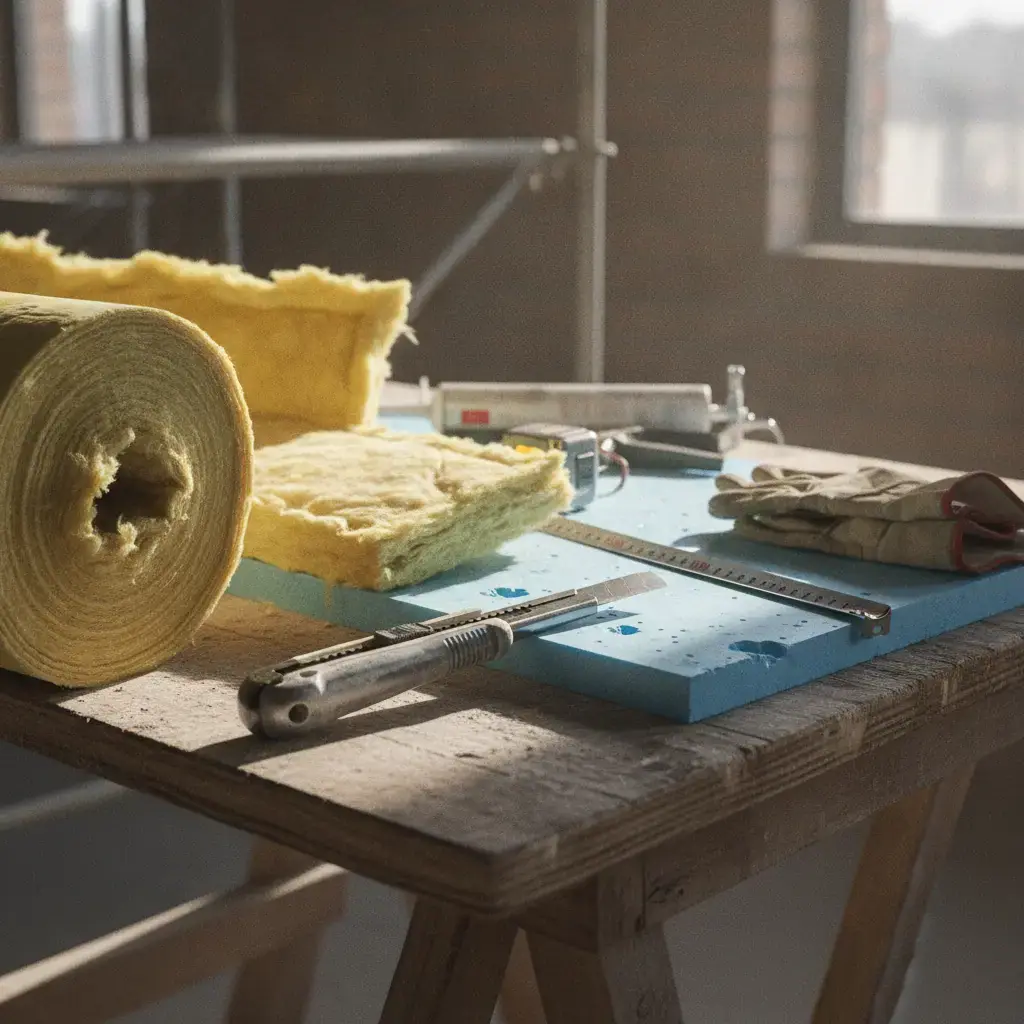
Blown-In Insulation Cost in Hawthorne, CA
Transparent Blown-In Insulation Cost Pricing for Hawthorne, CA Homeowners — Free Estimates
Learn the blown-in insulation cost in Hawthorne, CA. Hawthorne Insulation Pros offers free estimates, cellulose & fiberglass options. Call (424) 449-0089 today!
Understanding the blown-in insulation cost in Hawthorne, CA is the first step toward a more energy-efficient, comfortable home. Blown-in insulation — also called loose-fill insulation — involves pneumatically distributing insulating material such as cellulose or fiberglass into wall cavities, attic floors, and other hard-to-reach spaces, creating a dense thermal and acoustic barrier.
Hawthorne’s proximity to Los Angeles International Airport (LAX), its coastal marine layer influence, and its mix of post-war bungalows and modern condominiums all create unique insulation demands that affect both material selection and final pricing. The city’s mild but humid coastal climate means homes lose conditioned air differently than inland properties, making proper insulation a year-round priority rather than a seasonal one.
Read moreShow less
At Hawthorne Insulation Pros, our team specializes in blown-in insulation solutions tailored specifically to Hawthorne’s housing stock, climate, and building codes. We provide transparent, itemized quotes so you always know exactly what you are paying for and why. Call us today at (424) 449-0089 to schedule a free on-site estimate.
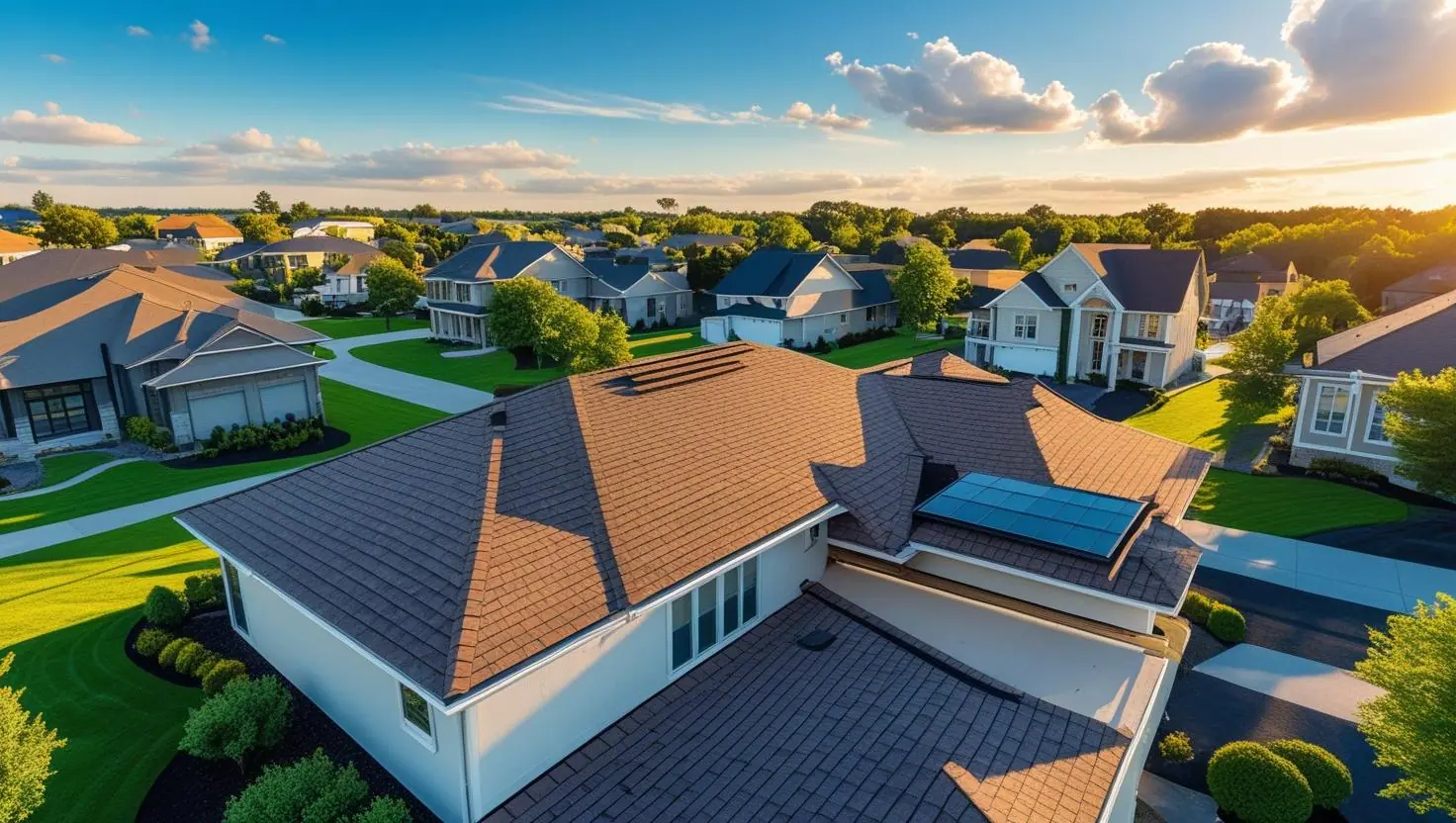
Understanding Blown-In Insulation Cost in Hawthorne
Blown-in insulation is one of the most versatile and cost-effective insulation methods available to homeowners and property managers today. The process uses a specialized blowing machine to propel loose insulating material — most commonly cellulose, fiberglass, or mineral wool — through a large flexible hose and into attic floors, wall cavities, or enclosed building assemblies. Unlike batt insulation, blown-in material conforms naturally to irregular joists, wiring, pipes, and structural obstructions, eliminating the air gaps that cause energy loss.
The concept of loose-fill insulation dates back to the early 20th century when paper-based products were repurposed as building insulation. Modern cellulose blown-in insulation, introduced widely in the 1970s energy crisis era, is made from 75–85% recycled newspaper and treated with borate compounds for fire and pest resistance. Fiberglass loose-fill, developed in parallel, offers a non-organic alternative preferred in high-moisture environments.
Read moreShow less
In Hawthorne specifically, the majority of the housing stock was built between 1940 and 1975 — a construction era that preceded California’s Title 24 energy code, which was first adopted in 1978. This means a substantial portion of Hawthorne’s residential buildings were constructed with little to no insulation, or with original insulation that has long since settled, degraded, or become contaminated. Many of the city’s characteristic single-story ranch homes, duplexes along Prairie Avenue, and apartment complexes near Rosecrans Avenue were built during this period.
The blown-in method is especially well-suited to Hawthorne’s existing housing stock because it can be installed without removing interior drywall. Installers drill small 2-inch holes in the exterior siding or interior wall surface, inject the material, and patch the holes — a minimally invasive approach that preserves the character of older homes while dramatically improving their thermal performance.
For attic applications, blown-in insulation achieves the R-38 to R-60 values recommended by the California Energy Commission for Climate Zone 9, which covers most of the South Bay region, including Hawthorne. Understanding these R-value targets is central to understanding blown-in insulation cost in Hawthorne, as higher R-values require more material and labor time.
Why Blown-In Insulation Is Needed in Hawthorne, CA
The Marine Layer Climate Effect
Hawthorne sits approximately 4.5 miles from the Pacific Ocean, placing it squarely within the South Bay’s coastal influence zone. The persistent marine layer — a low-lying stratus cloud system that blankets the area from roughly May through September — keeps daytime temperatures between 65°F and 75°F during summer months but also introduces sustained humidity levels averaging 75–85% during morning hours. This moisture-laden air infiltrates poorly insulated structures, causing condensation inside wall cavities, accelerating wood rot, and degrading original fiberglass batt insulation. Blown-in cellulose treated with borate compounds manages moisture more effectively than degraded original batts, making it the preferred remediation solution for coastal South Bay homes.
LAX Noise Corridor and Acoustic Insulation Demand
Hawthorne lies directly beneath or adjacent to multiple LAX flight approach paths. The neighborhoods of Ramona/Dominquez, Holly Glen, and the areas surrounding Jack Northrop Avenue experience noise levels between 65 and 75 dB(A) during peak flight operations. Loose-fill cellulose blown into wall cavities provides a Sound Transmission Class (STC) improvement of 4–8 points compared to an uninsulated stud bay, making blown-in insulation a dual-purpose investment for Hawthorne residents — thermal comfort and noise reduction simultaneously.
Post-War Housing Stock Degradation
The vast majority of single-family homes in Hawthorne were constructed between 1945 and 1965 as part of the post-World War II suburban expansion that characterized the South Bay. Many of these properties along corridors such as Yukon Avenue, Cranbrook Avenue, and Firmona Avenue were built with either no attic insulation or with 2–3 inches of fiberglass batt that originally provided only R-6 to R-9 — far below the current California Energy Commission recommendation of R-38 minimum for Climate Zone 9. After 50–70 years, these original materials have compressed, absorbed particulates, and in many cases been colonized by rodents using LAX’s open drainage corridors as movement pathways into residential areas.
California’s Title 24 Compliance Pressure
California’s Title 24 Building Energy Efficiency Standards require that any permitted renovation or addition in Hawthorne meet current insulation minimums. This means that homeowners undertaking kitchen remodels, room additions, or HVAC replacements are legally required to upgrade existing insulation to current standards. For wall assemblies, this typically means achieving R-13 minimum in a 2×4 stud wall. Blown-in installation in existing walls is one of the few cost-effective ways to meet this code requirement without full drywall demolition.
Rising Energy Costs in Southern California
Southern California Edison, which serves Hawthorne, implemented rate increases of approximately 8–12% in both 2022 and 2023. For a typical 1,400 square foot Hawthorne bungalow with inadequate attic insulation, utility bills during the Southern California heat dome events — most significantly the September 2022 event when Hawthorne recorded temperatures approaching 95°F, unusual for a coastal community — can spike dramatically. Proper blown-in insulation can reduce cooling and heating energy consumption by 15–25% according to DOE estimates for comparable climate zones.
Free, no-obligation estimates
Talk to Hawthorne Insulation Pros
Tell us what you need and we’ll take it from there.
Signs You Need Blown-In Insulation in Hawthorne
Energy and Comfort Indicators
- Monthly SCE bills consistently 20% or more above the California average for your home size
- Rooms along the south-facing exterior walls feel noticeably warmer than interior rooms during summer afternoons
- Your HVAC system runs continuously during mild coastal weather (65–75°F outside) without reaching the set temperature
- Noticeable cold drafts near exterior walls during winter, even when windows and doors are closed
Physical and Structural Indicators
- Visible attic insulation measuring less than 10 inches in depth (corresponding to approximately R-30 or below)
- Original fiberglass batts that appear flattened, yellowed, or torn when viewed from the attic access hatch
- Moisture staining or dark discoloration on attic-side roof decking, indicating condensation from thermal bridging
- Rodent droppings or nesting material mixed into existing attic insulation — a common finding in homes near the Crenshaw Boulevard commercial corridor
Acoustic and Indoor Air Quality Indicators
- Clearly audible LAX aircraft noise through exterior walls even when windows are closed
- Musty or dusty odors emanating from HVAC vents, which may indicate degraded or contaminated loose-fill settling
- Allergy or respiratory symptom increases indoors correlating with Santa Ana wind events, when fine particulate matter infiltrates under-insulated wall assemblies
Urgency Note: If your home was built before 1978 and has never had insulation upgraded, schedule a professional assessment immediately. Older loose-fill materials in some pre-1980 Hawthorne homes may contain vermiculite, which can be associated with asbestos contamination and requires professional testing before any disturbance.
Blown-In Insulation Methods and Approaches We Use in Hawthorne
Cellulose Loose-Fill (Attic Open-Blow)
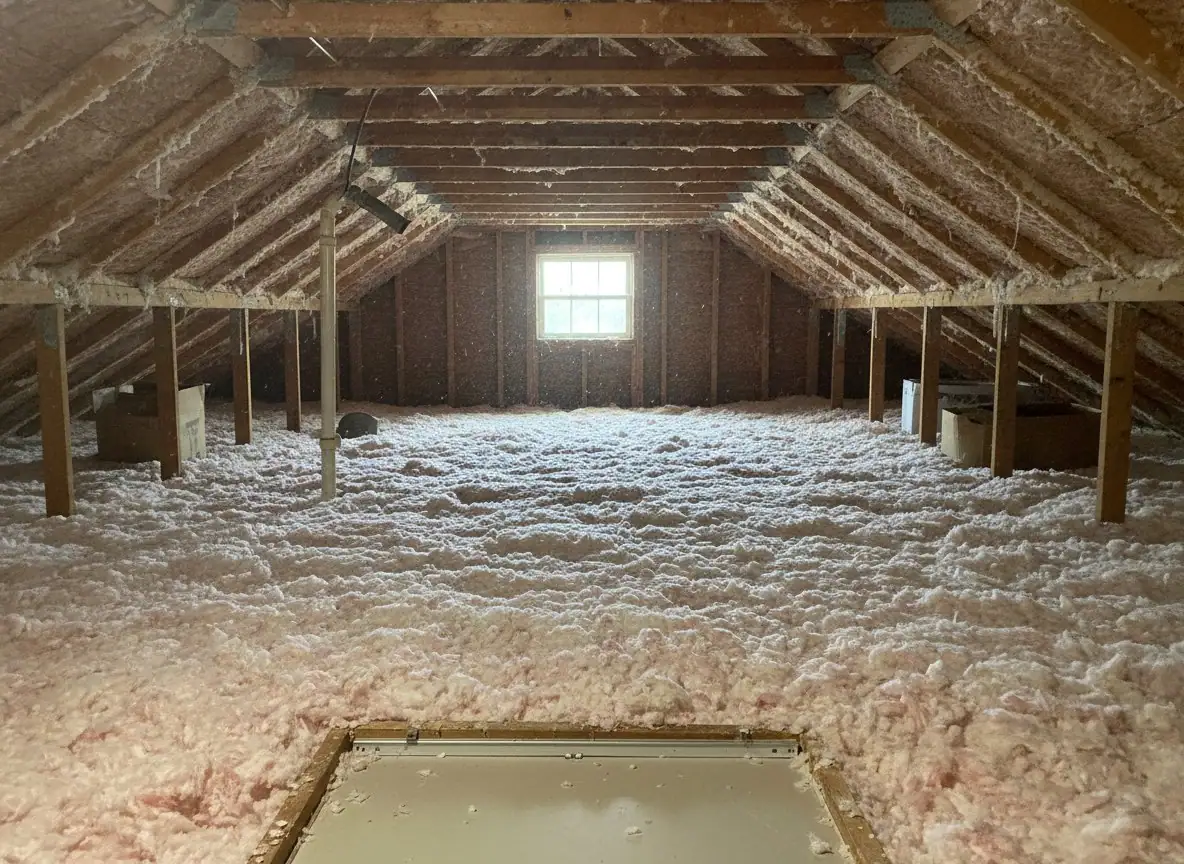
The most common method for Hawthorne attic insulation projects. Recycled cellulose is blown freely across the attic floor to achieve depths of 10–16 inches (R-38 to R-60). Ideal for open, accessible attics typical of the city’s 1950s and 1960s ranch home stock. Cellulose’s density of approximately 1.5 lb/ft³ settled resists air movement and manages the morning humidity that the marine layer introduces.
Dense-Pack Cellulose (Closed Wall Cavities)
Used when insulating existing finished walls without removing drywall. Material is injected at 3.0–3.5 lb/ft³ density, preventing future settling. This is the method of choice for Hawthorne’s Prairie Avenue corridor apartments and older duplexes where wall access from the interior would be highly disruptive to tenants.
Fiberglass Loose-Fill
Preferred in situations where moisture intrusion is a significant concern — such as attics above bathrooms in older Hawthorne homes without adequate exhaust ventilation — because fiberglass does not absorb moisture and will not support mold growth. Slightly lower R-value per inch (R-2.2 to R-2.7) than cellulose, requiring greater depth to achieve target values.
Spray Foam Combined with Blown-In (Hybrid Approach)
For homes near the LAX noise corridor where air sealing is a high priority, we apply a 1–2 inch layer of spray foam insulation to the attic floor perimeter and around all penetrations before topping with blown-in cellulose. This hybrid approach maximizes both thermal performance and acoustic attenuation. Learn more about our attic insulation services for complete attic system solutions.
Retrofit Wall Injection for Historic or Character Homes
For Hawthorne’s small collection of pre-war craftsman and Spanish revival bungalows, typically located in the historic residential pockets near Hawthorne Boulevard and El Segundo Boulevard, we use low-pressure injection techniques and drill from the exterior between trim courses to minimize visual impact on architecturally significant facades.
Blown-In Insulation Cost in Hawthorne, CA: What to Expect
Pricing for blown-in insulation in Hawthorne typically falls within the following ranges based on our local project data for the South Bay region:
- Attic Blown-In Insulation (Cellulose, Open-Blow to R-38): $1.20–$1.80 per square foot installed, or approximately $1,680–$2,520 for a 1,400 sq ft attic — the median size for Hawthorne single-family homes.
- Attic Blown-In Insulation (to R-60, premium coverage): $1.70–$2.40 per square foot, or $2,380–$3,360 for the same 1,400 sq ft attic.
- Dense-Pack Wall Cavity Injection: $2.00–$3.50 per square foot of wall surface, with a typical 1,000 sq ft exterior wall area costing $2,000–$3,500 total.
- Crawl Space Blown-In (including access preparation): $1.50–$2.50 per square foot. See our crawl space insulation page for full details.
- Insulation Removal (before replacement): $1.00–$2.00 per square foot for contaminated or rodent-damaged material removal prior to reinstallation. Learn more at our insulation removal page.
Read moreShow less
Factors Affecting Your Specific Cost in Hawthorne
- Existing insulation condition: Contaminated or compacted material requiring removal before new installation adds $800–$2,000 to project costs.
- Attic accessibility: Low-pitch roofs common in Hawthorne’s ranch homes (4:12 or less) can limit crew mobility and add 15–20% to labor time.
- Air-sealing scope: Older homes with numerous bypass penetrations may require 3–5 hours of preparatory air sealing at $75–$95 per hour.
- Material type premium: Fiberglass loose-fill costs approximately 10–15% more than cellulose at equivalent R-values in the current Southern California market.
California’s TECH Clean California program and SCE’s residential rebate programs may offset $150–$500 of project costs for qualifying Hawthorne homeowners. We assist clients in identifying applicable rebates during the estimate process. Call (424) 449-0089 for a precise quote.
Neighborhoods We Serve in Hawthorne, CA
Holly Glen / Del Aire
This established neighborhood in the western portion of Hawthorne features primarily 1950s and 1960s single-story homes on standard 50×130-foot lots. Many properties have original fiberglass batt insulation that has compressed to less than half its original R-value. Holly Glen also sits closer to LAX flight paths, making wall cavity blown-in particularly beneficial for noise control in addition to thermal performance.
Ramona / Dominquez
Located in the southern section of Hawthorne near the Gardena border, this neighborhood features a mix of single-family homes and older apartment buildings from the 1960s–1970s. Multi-unit buildings here frequently have shared attic spaces that require careful zoning during blown-in installation to ensure even coverage across multiple units.
Bodger Park
One of Hawthorne’s more historically intact residential areas, Bodger Park contains post-war homes built between 1948 and 1958. Many properties here have never had insulation professionally upgraded. The neighborhood’s mature tree canopy, while providing some natural shading, also creates elevated moisture conditions in attic spaces during morning marine layer intrusion.
Downtown Hawthorne Corridor (Hawthorne Boulevard)
The mixed residential and commercial properties flanking Hawthorne Boulevard range from 1940s commercial-residential buildings to newer infill condominiums. Older buildings here frequently benefit from insulation replacement combined with blown-in upgrades to meet current Title 24 standards required during permitted commercial renovations.
Blown-In Insulation Maintenance Tips for Hawthorne Homeowners
- Inspect attic depth annually: Use a ruler or depth gauge at the attic access hatch each fall to confirm insulation has not settled below your target depth. Blown-in cellulose typically settles 10–15% in the first year after installation.
- Check attic ventilation every spring: Hawthorne’s marine layer humidity requires that soffit and ridge vents remain unblocked. Covered soffit vents accelerate moisture accumulation in cellulose insulation, reducing its R-value and potentially promoting mold.
- Inspect for rodent intrusion after Santa Ana wind events: High winds that displace debris can create new entry points for roof rats and mice, which are active in the South Bay year-round. Look for disturbed insulation or droppings during post-storm checks.
- Keep attic access hatches properly insulated and weather-stripped: Uninsulated attic hatches in Hawthorne homes are among the single largest sources of conditioned air loss and should be treated with rigid foam covers rated at R-10 minimum.
- Do not compress blown-in material with stored items: Avoid placing storage boxes or equipment directly on blown-in attic insulation, as compression dramatically reduces R-value.
- Re-evaluate after major plumbing or electrical work: Contractor work in attic spaces frequently disturbs insulation coverage and creates new air bypass pathways that should be re-sealed and re-covered.
- Schedule a professional reassessment every 10 years: Blown-in cellulose in coastal environments like Hawthorne should be professionally evaluated every decade for moisture content, depth, and contamination.
Why Choose Hawthorne Insulation Pros
Hawthorne Insulation Pros is a locally focused insulation contractor serving the South Bay community with a deep understanding of the specific building conditions, climate challenges, and code requirements unique to Hawthorne and the surrounding area. Unlike national franchise operations, our team works exclusively in communities like Hawthorne, Lawndale, Gardena, and El Segundo — meaning we understand the nuances of local housing stock, LAX noise corridor challenges, SCE rebate programs, and California Title 24 compliance inside and out.
We offer a comprehensive range of insulation services under one roof, including spray foam insulation, attic insulation, blow-in insulation, crawl space encapsulation, crawl space insulation, insulation removal, and insulation replacement. This means we can address your home’s entire building envelope in a coordinated, cost-effective way rather than piecemeal approaches from multiple contractors.
Read moreShow less
We provide written, itemized estimates with no hidden fees, assist with rebate applications where applicable, and communicate clearly at every stage of your project. Our goal is a completed installation that meets or exceeds your expectations for comfort, energy performance, and noise reduction — guaranteed by our commitment to standing behind every job we complete. Call us at (424) 449-0089 to get started.
FAQ
Frequently Asked Questions About Blown-In Insulation Cost in Hawthorne, CA
How much does blown-in insulation typically cost for a Hawthorne home?
For a typical 1,400 square foot Hawthorne single-family home with an accessible attic, blown-in cellulose insulation to R-38 generally costs between $1,680 and $2,520 installed. Larger homes, homes requiring insulation removal first, or projects requiring wall cavity injection in addition to attic coverage will fall in the $3,000–$5,500 range. We provide precise written estimates after every on-site assessment at no charge.
How long does blown-in insulation installation take in Hawthorne?
For a standard Hawthorne single-family attic blown-in project, installation typically takes one full day — usually 4 to 8 hours including setup, air sealing, blowing, and cleanup. Combined attic-plus-wall projects may require two days. We work to complete projects within a single visit whenever possible to minimize disruption to your household.
Is blown-in insulation safe for older Hawthorne homes built before 1980?
Modern blown-in cellulose and fiberglass materials are entirely safe. However, homes in Hawthorne built before 1980 may contain original insulation materials such as vermiculite or early loose-fill products that may contain asbestos. We strongly recommend professional testing of any original insulation before disturbance. Our team can facilitate testing referrals and coordinate safe removal through our insulation removal service if hazardous materials are identified.
Does blown-in insulation help with the noise from LAX flights in Hawthorne?
Yes, meaningfully so. Dense-pack cellulose blown into wall cavities can improve the Sound Transmission Class of an exterior wall by 4–8 points, which corresponds to a noticeable reduction in perceived aircraft noise. For maximum noise attenuation in homes directly under LAX approach corridors in neighborhoods like Holly Glen and Del Aire, we recommend combining wall cavity dense-pack with our hybrid spray foam and blown-in attic system.
Are there rebates available for blown-in insulation in Hawthorne?
Yes. Hawthorne is served by Southern California Edison, which offers residential insulation rebates through its Energy Efficiency programs. The TECH Clean California initiative also provides contractor-verified rebates for qualifying insulation upgrades. Rebate amounts vary based on square footage and R-value achieved but typically range from $150 to $500 for residential projects. We help identify applicable programs during the estimate process.
Does blown-in insulation settle over time and lose its R-value?
All blown-in insulation materials experience some initial settling — typically 10–15% for cellulose in the first 12 months. Professional installers account for this by installing to a calculated starting depth that achieves the target R-value after settling. After initial settling, cellulose dense-pack and properly installed loose-fill maintain their effective R-value for decades under normal conditions. Annual depth checks at the attic access hatch allow homeowners to monitor performance over time.
Can blown-in insulation be installed in Hawthorne homes with finished walls without removing drywall?
Yes. Dense-pack wall injection is specifically designed for exactly this application. Our technicians drill 2-inch access holes at the top of each stud bay from either the exterior siding or interior wall surface, inject material at positive pressure to fill each cavity completely, then patch and finish the holes. This approach is minimally invasive and is the standard method for upgrading insulation in Hawthorne’s occupied older homes without major interior demolition.
How does Hawthorne’s climate zone affect the R-value I need?
Hawthorne falls within California Climate Zone 9 under the California Energy Commission’s classification system. The CEC recommends R-38 as the minimum attic insulation value for this zone, with R-49 to R-60 providing superior performance in homes with high HVAC operating hours. Given that Hawthorne’s marine layer climate and proximity to LAX combine to drive year-round HVAC use, we generally recommend targeting R-49 or higher for new attic insulation projects where budgets allow.
Get Your Free Blown-In Insulation Estimate in Hawthorne Today
Ready to find out exactly what blown-in insulation will cost for your Hawthorne home — and how much you could save on your Southern California Edison bills? Hawthorne Insulation Pros provides free, no-obligation on-site assessments with detailed written estimates delivered the same day. Our team understands Hawthorne’s housing stock, climate challenges, and Title 24 requirements, and we will walk you through every line of your quote so there are no surprises.
Whether you need attic blown-in coverage, wall cavity dense-pack injection, or a complete insulation system overhaul including removal of contaminated original material, we have the equipment, experience, and local knowledge to get the job done right.
Read moreShow less
Call us now at (424) 449-0089 to schedule your free estimate. We serve all Hawthorne neighborhoods, including Holly Glen, Bodger Park, Ramona, Del Aire, and the Hawthorne Boulevard corridor. Contact us today and take the first step toward a more comfortable, energy-efficient home.
Get in touch
Find insulation help near you
Request a free estimate online or give us a call — our team will follow up quickly.
- Call us(424) 449-0089
- Visit4910 W Rosecrans Ave, Hawthorne, CA 90250
- HoursMon-Sun 07:00-19:00